
Guide
What Saginaw's Older Housing Stock Means for Your Garage Door
Saginaw homes built mostly 1952-1994 carry doors and openers built for a different era. Here's what that means for cost, cold, and repair choices in this area.
Local detail
The Cost of This Job
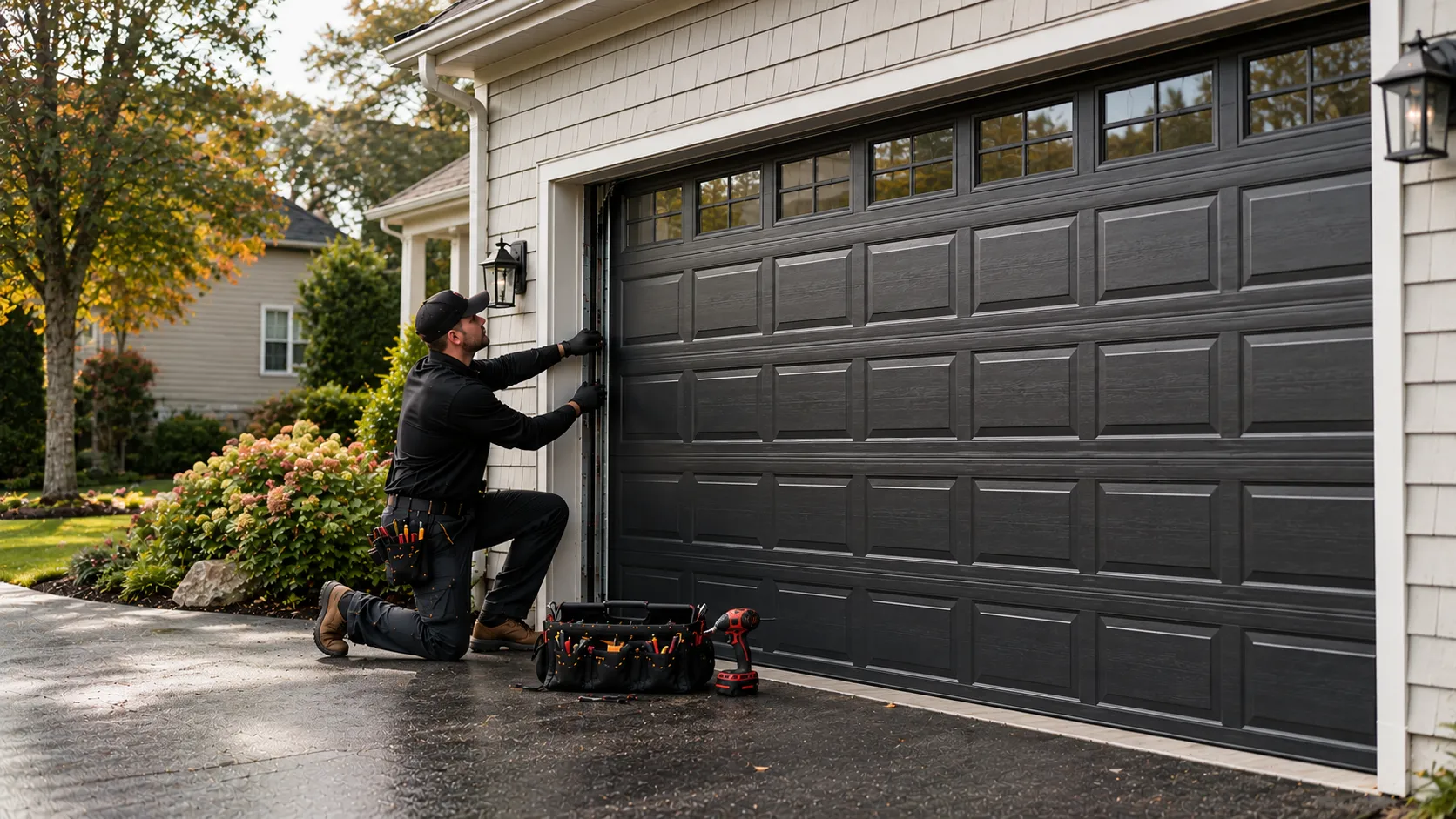
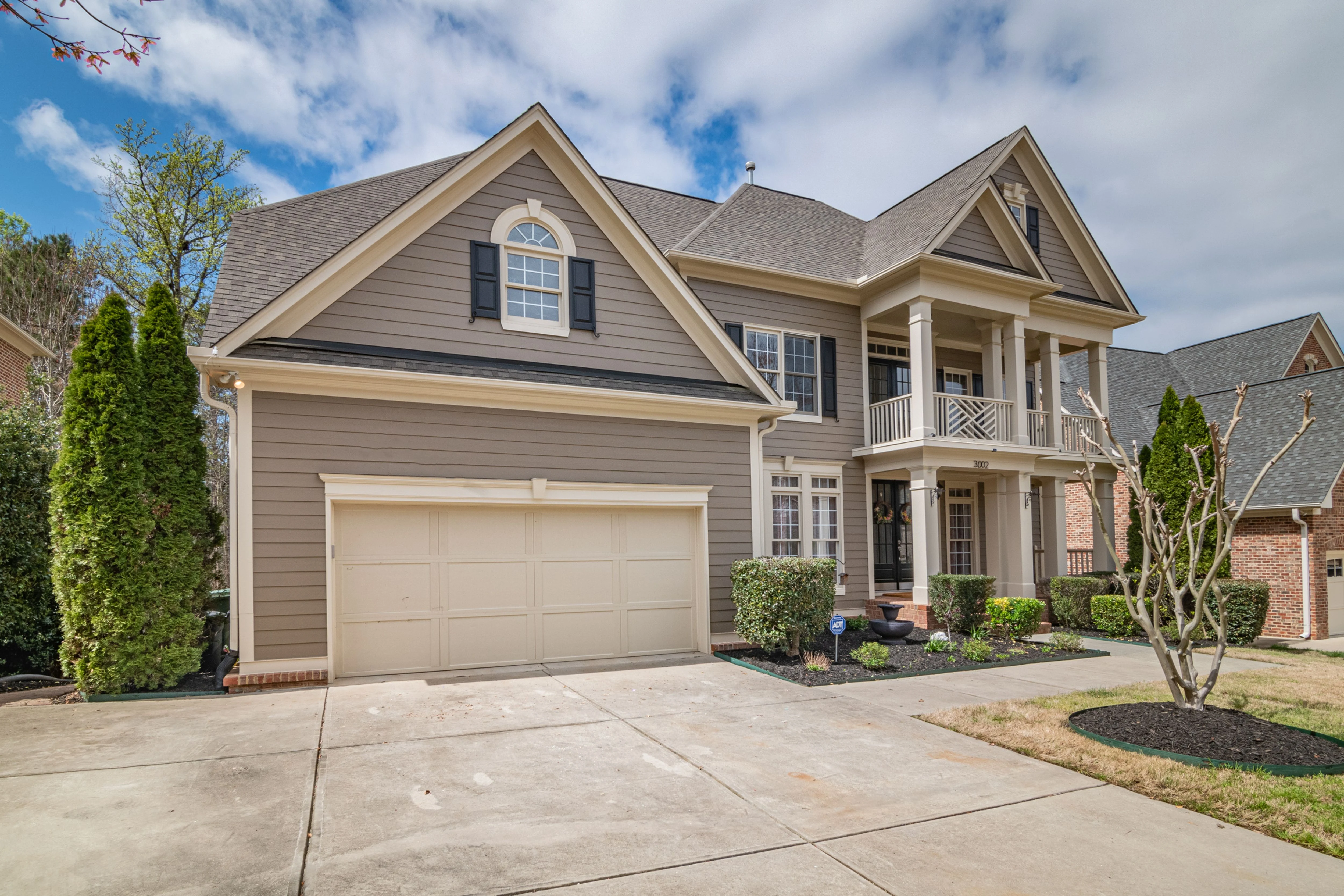
We can't quote a number here without a look at the door, but we can tell you what drives the estimate in this area. Most houses across Saginaw and the 21 named areas nearby went up between 1952 and 1994, with the median build year sitting around 1970. That era means single-layer steel or wood doors, often with no insulation at all, and openers that predate today's safety sensors.
A straight panel swap on one of these is usually cheaper than the whole job, but once you add a torsion spring rated for the wider double-car openings common in that period, or a full insulated replacement to cut the cold coming through the garage wall, the number changes fast. With a median household income of $68,935 across the service area, a lot of homeowners here are weighing a $150 spring fix against a $1,200+ full replacement, and that gap is exactly where people get talked into more than they need. We size the estimate to the door in front of us, not a script.
The area
The Situation
Saginaw sits in a cold, severe climate band, and the housing here reflects it in ways that matter to a garage door. A 1968 split-level in one of the 21 named neighborhoods was built to the standards of its decade - standards that did not require an insulated garage door, and often didn't require insulation in the garage walls or ceiling either. That was normal construction then.
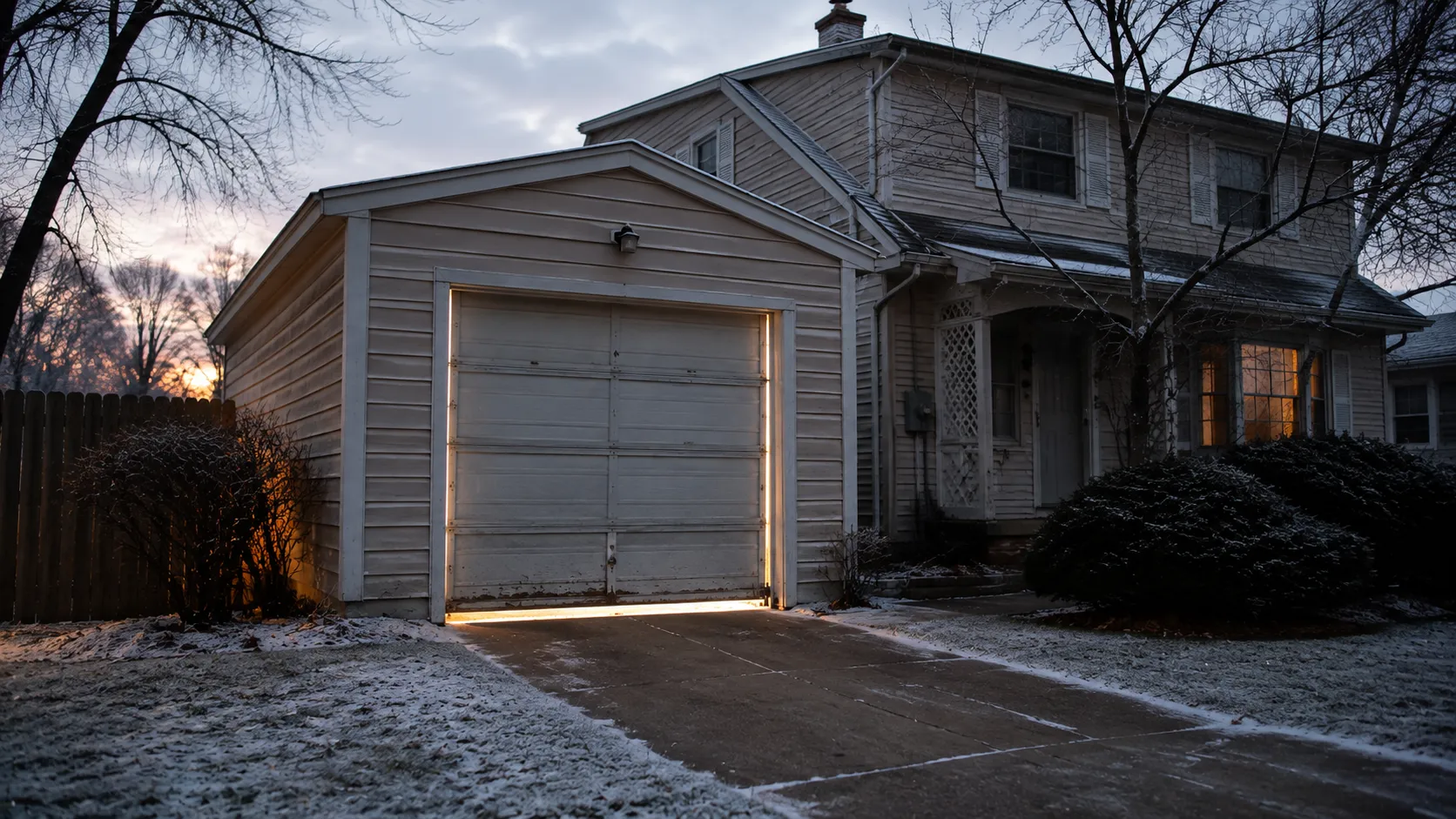
It is not normal now, and it shows up as a cold garage, a cold laundry room next to it, and an opener straining against a door that has picked up moisture weight over 50-plus winters. Across the roughly 27,378 households and 16,915 owner-occupied houses in this service area, this same pattern repeats: original hardware, original panel, and a homeowner who assumed the door just needed a new remote.
What we find
What Local Conditions Do
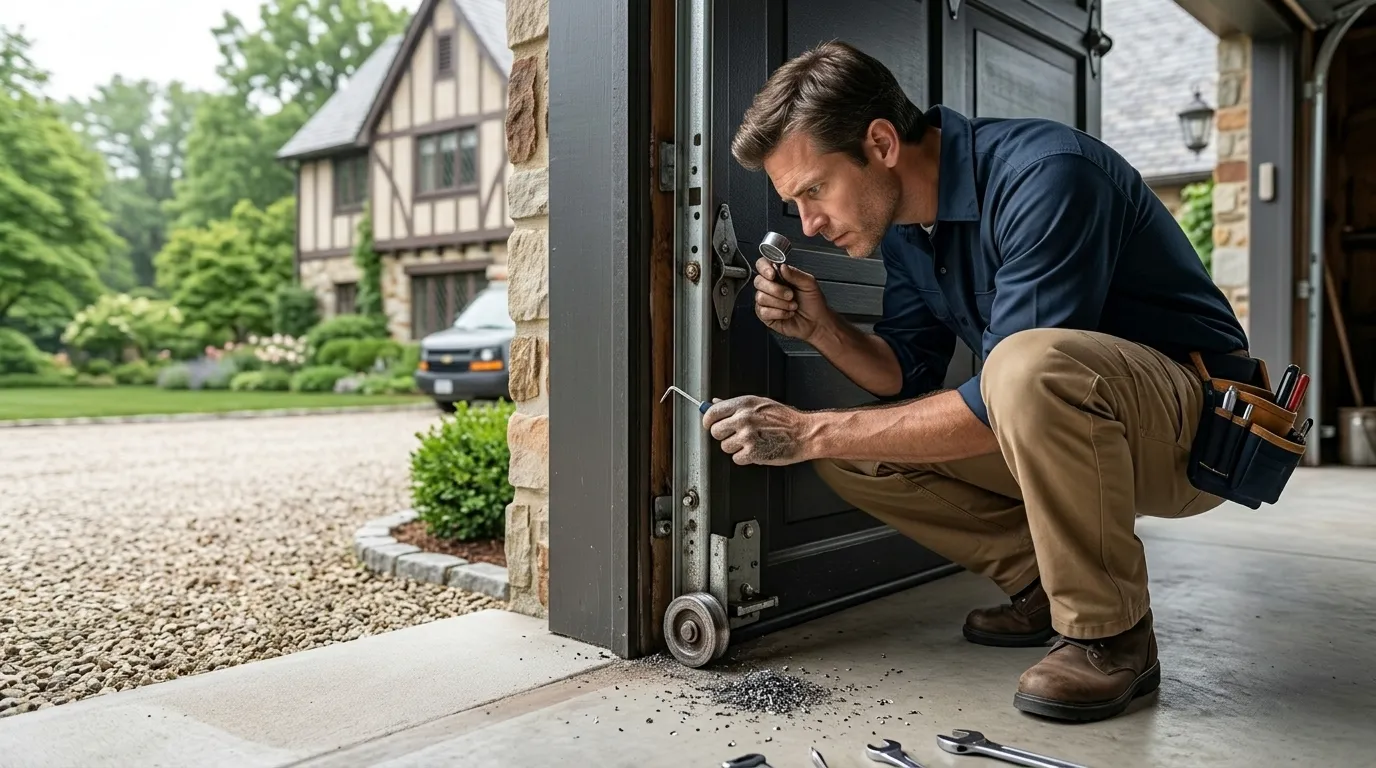
Cold-severe winters don't ruin a garage door overnight - they work on it. Steel panels from the 1960s and 70s contract in single-digit temperatures and the seams around the bottom seal open up wider than they were cut for, letting drafts in under the door. On uninsulated doors, that cold transfers straight through the panel into the garage, and if the garage shares a wall with living space - common in the split-levels and ranches built through this era - that cold radiates into the house.
Torsion springs age faster too: the metal fatigues with repeated cold-contraction cycles, and a spring that would last 10,000 cycles in a mild climate often gives out sooner here. None of this is dramatic. It's just steady wear that adds up over decades of Saginaw winters on doors that were never built to handle them.
How we work
Where People Go Wrong
The most common mistake we see on these older homes is treating an insulation problem like a hardware problem. Someone replaces the opener, or adds a second remote, and the garage is still ten degrees colder than the rest of the house because the door itself - built before insulation rules applied to garage doors at all - has nothing to hold heat. The second mistake is assuming a broken spring means a broken door.
On a house from the 1952-1994 build window, the spring is often the only thing that's actually failed; the panel and track can have another twenty years in them. We won't sell a full replacement when a spring and a new bottom seal solve it, but we also won't tell you an uninsulated single-layer door from 1970 is fine to keep if you're heating the space above or beside it. That's a call worth making with the door open in front of you, not over the phone.
Questions
Common questions
Why is my garage so much colder than the rest of the house?
If your house was built in the 1960s or 70s like most of this area, the garage door and garage walls likely have no insulation - that was standard then. Cold radiates through the uninsulated panel and into any shared wall. An insulated door replacement usually fixes this better than sealing gaps alone.
Is it worth replacing an old door instead of repairing it?
Depends on what's wrong. A broken spring or worn seal on a door from this era is often a straightforward repair. But if the panel itself is uninsulated steel from the original build, replacement pays you back in comfort even when the hardware still works.
Do winter temperatures here actually affect springs and openers?
Yes. Saginaw's cold-severe climate puts real cycling stress on torsion springs and opener gear trains. Metal fatigue from repeated cold contraction is a real factor in why springs on older homes here fail sooner than the manufacturer's rated cycle count suggests.
Ready when you are
Need a garage door sorted in Saginaw?
Saginaw Garage Door Pros repairs and installs garage doors, springs and openers in Saginaw, MI and the surrounding area.