
Guide
What That Noise From Your Garage Door Actually Means in Saginaw
Saginaw's 1960s-70s housing means specific worn parts once doors age - here's what grinding, popping, or slamming noises mean, and what each fix costs.
Local detail
The Cost of This Job
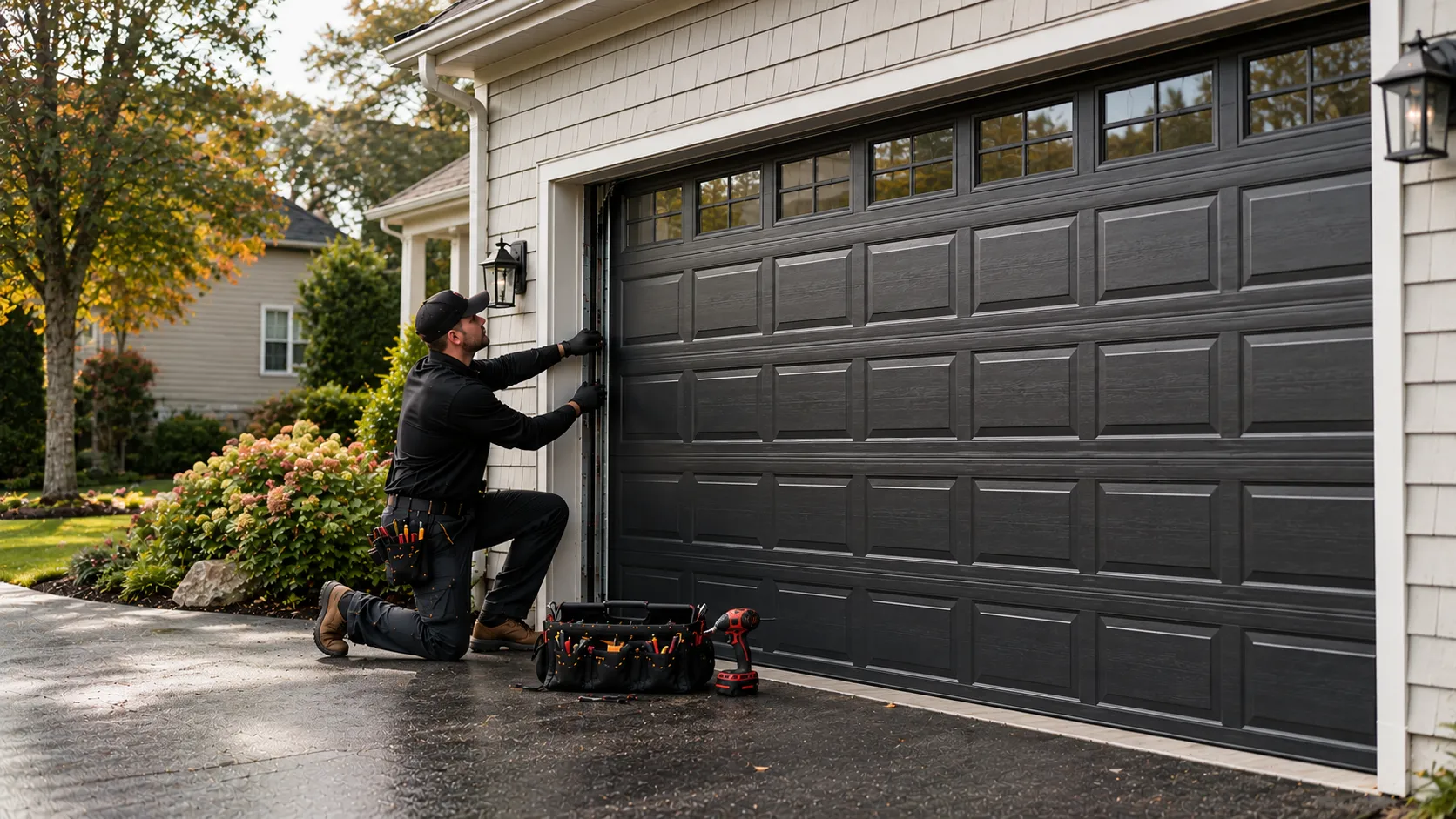
We don't quote a number over the phone, and we're not going to start with a fake range here either. What a noisy door costs to fix depends entirely on what's making the noise - a cracked roller is a different job than a cracked drum, and a torsion spring that's about to let go is a different job than a track that's just bent from a bump. What we can tell you is this: across the service area, median household income sits at $68,935, which means most of the people calling us are weighing a repair bill against a real budget, not treating it as pocket change.
That's why we look at the door in person before we say a number - grinding could mean a $40 roller or a spring assembly that's due either way. If your opener motor sounds fine but the door itself is groaning, that's usually cheaper than a job where the motor is straining. The honest limitation here: we can diagnose noise by description over the phone well enough to guess, but we won't put a firm price on it until someone's hands are on the track and spring.','wordcount_note':'ignore'
The area
The Situation
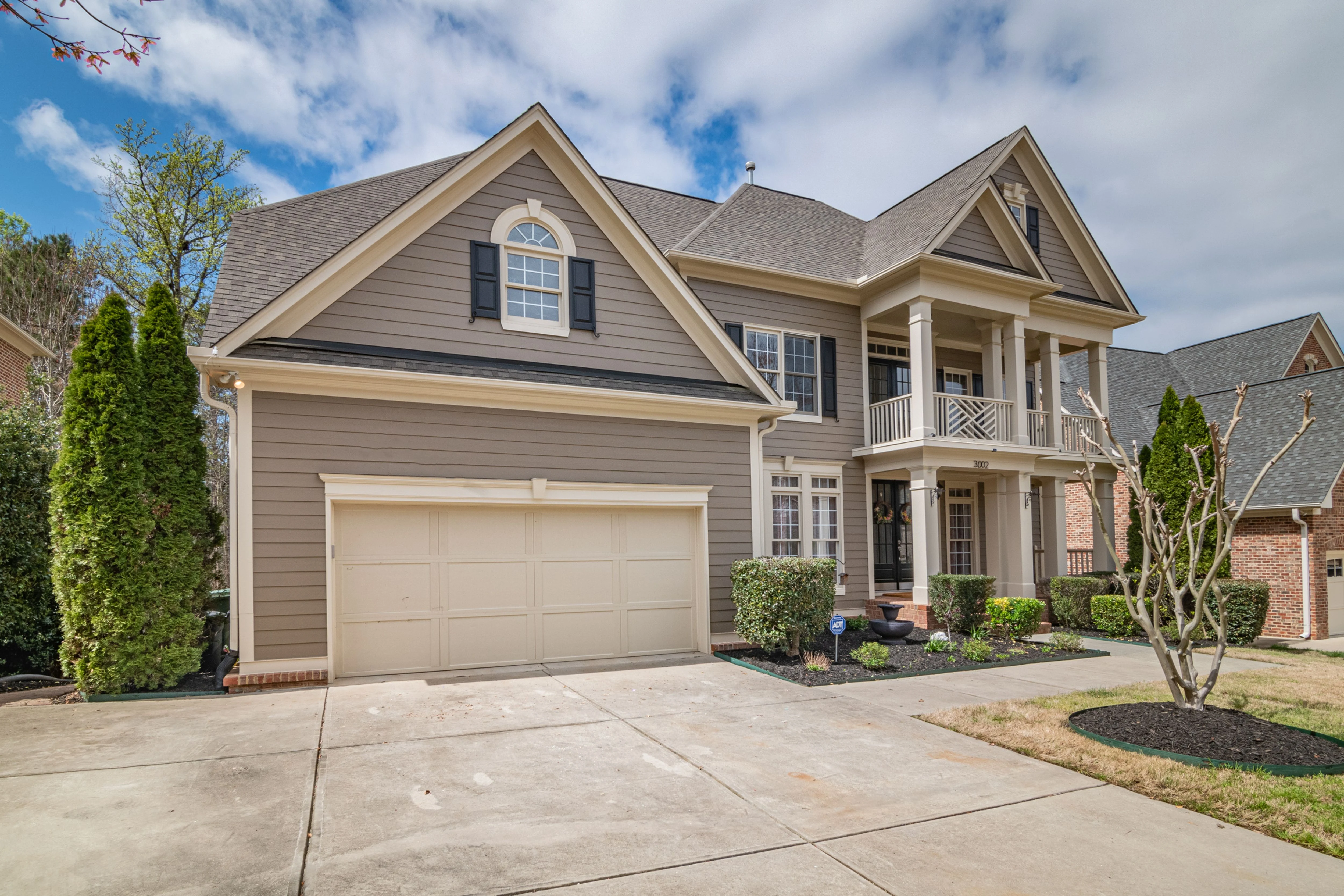
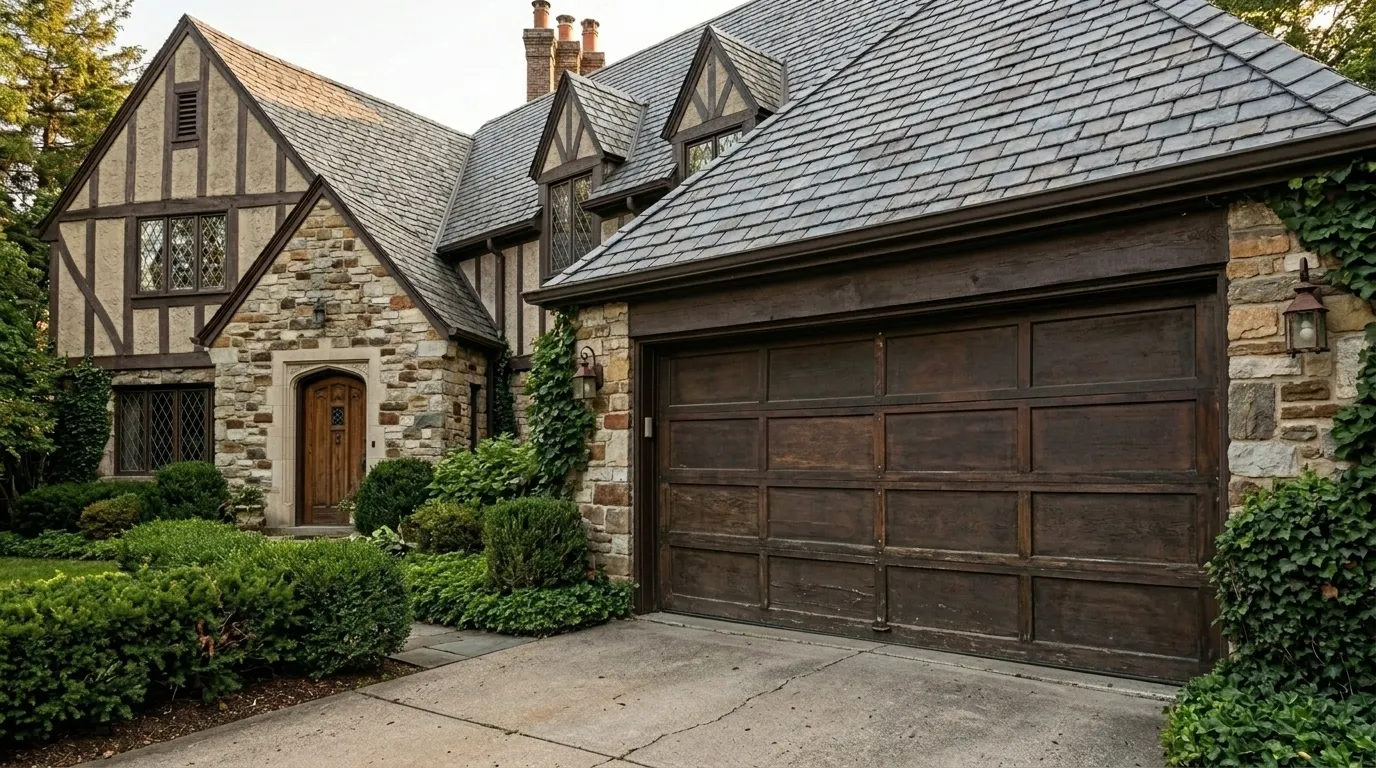
Housing across this service area was mostly built between 1952 and 1994, with the heaviest concentration in the 1960s and 70s - that's true whether you're two miles east in Buena Vista, three miles west in Saginaw Township South, six miles out in Shields or Bridgeport, or further out toward Frankenmuth at twelve miles. A door built or replaced in that era usually rode on steel track with roller bearings and hardware that nobody stocks new anymore. When one of those doors starts making noise, it's rarely a mystery - it's the same handful of parts wearing out that wore out on the house next door and the one after that.
Across the roughly 27,378 households and 16,915 owner-occupied houses we work in, the pattern repeats: original springs going brittle, original rollers going out of round, original hinges loosening at the same panel seams. That consistency is actually useful. It means when you describe a sound to us, we've usually heard it fifty times before on a door from the same decade, on the same kind of track, with the same fix waiting at the end of it.
What we find
What Local Conditions Do
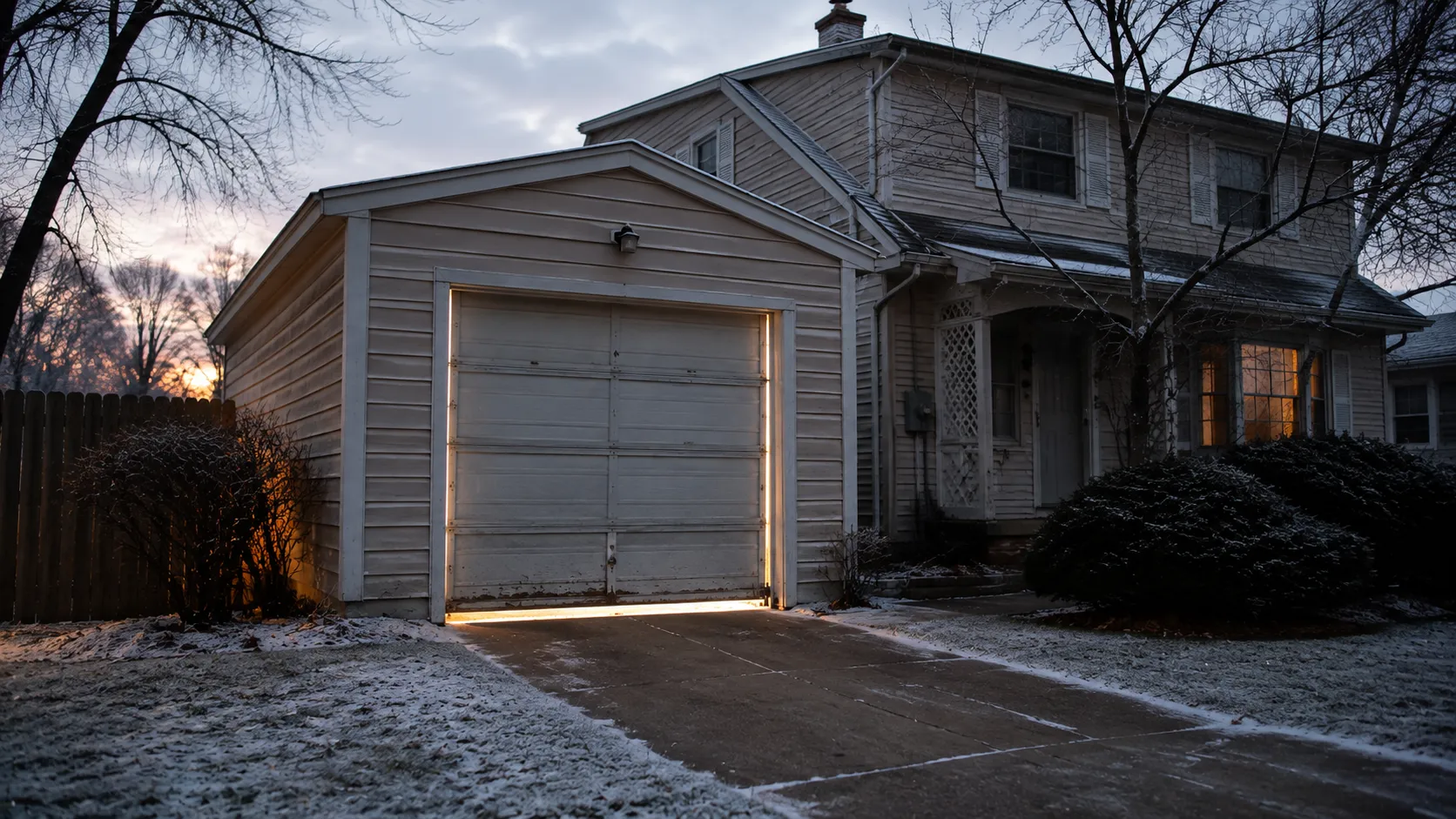
This area sits in a cold-severe climate band, and that matters more to a garage door than most people expect. Steel contracts in the cold. Torsion springs wound to a certain tension in July are wound tighter, effectively, in January - the metal itself shrinks slightly and the coil sits differently on the shaft.
That's part of why a spring that's been fine all year suddenly bangs or pops the first hard cold snap. Bearings on the drum and on the rollers stiffen too, so a door that glided quietly in August can start grinding in December simply because the grease has thickened and the metal-to-metal tolerances have tightened. Ice is the other piece - moisture that gets into the track or onto a bottom seal and freezes overnight can make a door groan or catch on the first open of the day, which sounds like a track problem but is really a weather problem that clears once things warm up.
None of this is a design flaw. It's what cold-climate steel hardware does, year after year, especially once it's decades old and already loose at the joints from wear.
How we work
Where People Go Wrong
The most common mistake we see is spraying the tracks with a general lubricant - WD-40 or similar - when a grinding or squealing noise starts. That thins out what grease is left on the rollers and bearings instead of adding to it, and it tends to attract more dust in the process. The right lubricant for hardware from the 1960s-70s stock most of this area sits on is a lithium grease made for garage door parts, and even that only helps if the underlying part isn't already worn through.
Second mistake: waiting out a popping or banging noise because the door still opens. On an original torsion spring that's forty-plus years old, popping is often the spring telling you it's near the end, not settling in. Third: assuming a noisy opener motor means the opener is failing, when just as often the motor is straining against a door that's binding somewhere on the track - fixing the track fixes the
Questions
Common questions
Why does my garage door grind loudest on the coldest mornings?
Cold steel contracts and grease thickens, so bearings and rollers that ran quiet in warm weather sit tighter and drier in winter. On an older door with original hardware, that extra friction shows up as grinding, especially on the first open of the day before things warm up and loosen slightly.
My door bangs once and then opens fine - is that a big deal?
On a torsion spring that's decades old, a single loud bang or pop is often the coil settling or a strand starting to give, not nothing. It can run fine for weeks after and then fail without warning. We'd rather look at it now than get the call after it lets go.
Is a popping noise always the spring?
Not always - a popping panel seam or a loose hinge on an older door can sound similar. But on hardware from the 1960s-70s stock common here, spring fatigue is the most frequent cause, so it's the first thing worth checking before assuming it's cosmetic.
Ready when you are
Need a garage door sorted in Saginaw?
Saginaw Garage Door Pros repairs and installs garage doors, springs and openers in Saginaw, MI and the surrounding area.